.svg)

Nostalgia has always existed in art, but its role has shifted. It is no longer just a reference to the past or a stylistic choice. It has become a way of grounding experience in a time when everything feels increasingly immediate and transient.
In a culture built on constant updates, endless scrolling, and rapid consumption, the past carries a different kind of weight. It slows things down. It introduces distance. It allows for reflection in a way the present often does not.
This is where nostalgia becomes more than aesthetic. It becomes structural.
Why is nostalgia so powerful in contemporary art?
Because it connects memory and emotion, offering a sense of continuity and meaning in a culture that often prioritizes speed over reflection.
Nostalgia operates in layers. On the surface, it may appear as a reference—color palettes, subject matter, textures, or visual cues tied to aspecific era. But what gives it power is not the reference itself. It is the feeling attached to it.
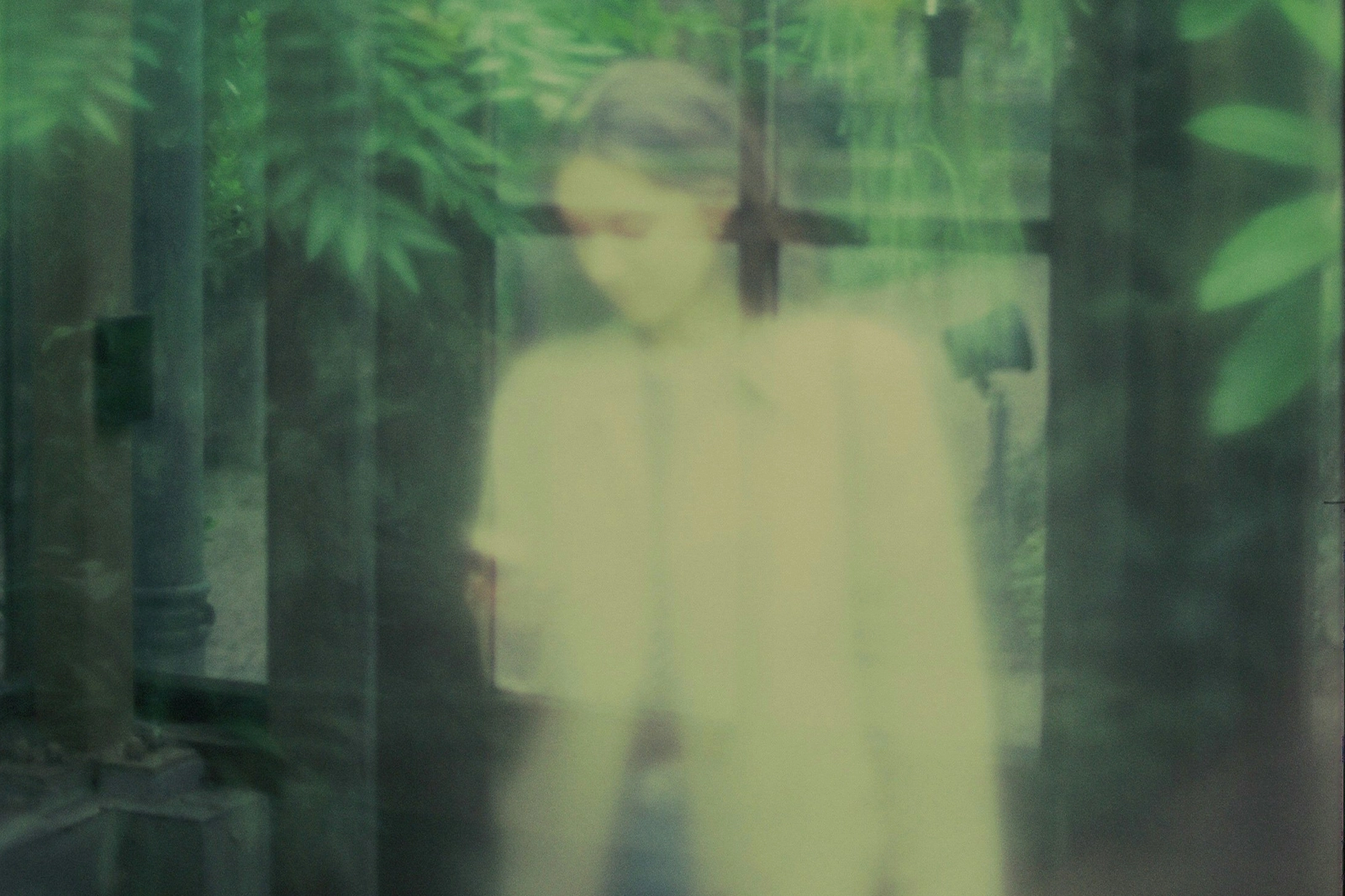
A photograph that recalls a certain time doesn’t just show the past; it reactivates it. It invites the viewer into a memory that may or may not betheir own, but still feels recognizable. That familiarity creates an immediate connection, even when the context is unknown.
This is why nostalgia often feels personal, even when it is shared.
In Los Angeles, this dynamic is particularly visible. The city holds multiple timelines at once—mid-century architecture, faded signage, coastal light, and cultural remnants that exist alongside constant reinvention. There is a tension between preservation and transformation, and that tension naturally produces work that feels rooted in memory while existing in the present.
As an artist working here, that overlap is unavoidable. The environmenti tself carries history, and that history becomes part of the work whether it is directly referenced or not.
Nostalgia also functions as a counterbalance to digital perfection. In an era where images can be generated, edited, and distributed instantly, work that carries signs of time—grain, texture, imperfection—feels different. It suggests that something has been experienced rather than constructed.
That distinction matters more now than it did before.
How does nostalgia influence the way we experience art?
It creates emotional familiarity, slows perception, and allows viewers to engage with work on a more reflective and personal level.
There is also an element of longing embedded in nostalgia. Not necessarily for a specific moment, but for a feeling associated with it. Art that taps into that space doesn’t need to explain itself fully. It allows the viewer to project, to remember, or simply to sit with something that feels just out of reach.
That ambiguity is part of its strength.
At the same time, nostalgia can be misused. When it becomes purely aesthetic—reduced to filters, trends, or surface-level references—it loses depth. It becomes decorative rather than connective. The difference lies in intention. Work that uses nostalgia as a framework for meaning carries more weight than work that uses it as a visual shortcut.
Collectors are increasingly aware of this distinction.
What makes nostalgic art feel meaningful rather than decorative?
Depth, intention, and the ability to evoke emotion beyond surface-level references to the past.
Ultimately, nostalgia is not about returning to what was. It is about understanding what remains. It reflects how memory shapes perception, how time alters meaning, and how certain images continue to hold emotional relevance even as context shifts.
In that sense, nostalgia is not fixed. It evolves.
As culture continues to accelerate, the pull toward memory will likely become even stronger. Not as an escape, but as a way of anchoring experience. Art that engages with that impulse thoughtfully has the ability to hold attention in away that faster, more immediate work often cannot.
It asks the viewer to slow down, to look again, and to recognize something that feels both distant and familiar at the same time.
Part of an ongoing journal exploring memory, culture, and the emotionalforces shaping contemporary art.