.svg)
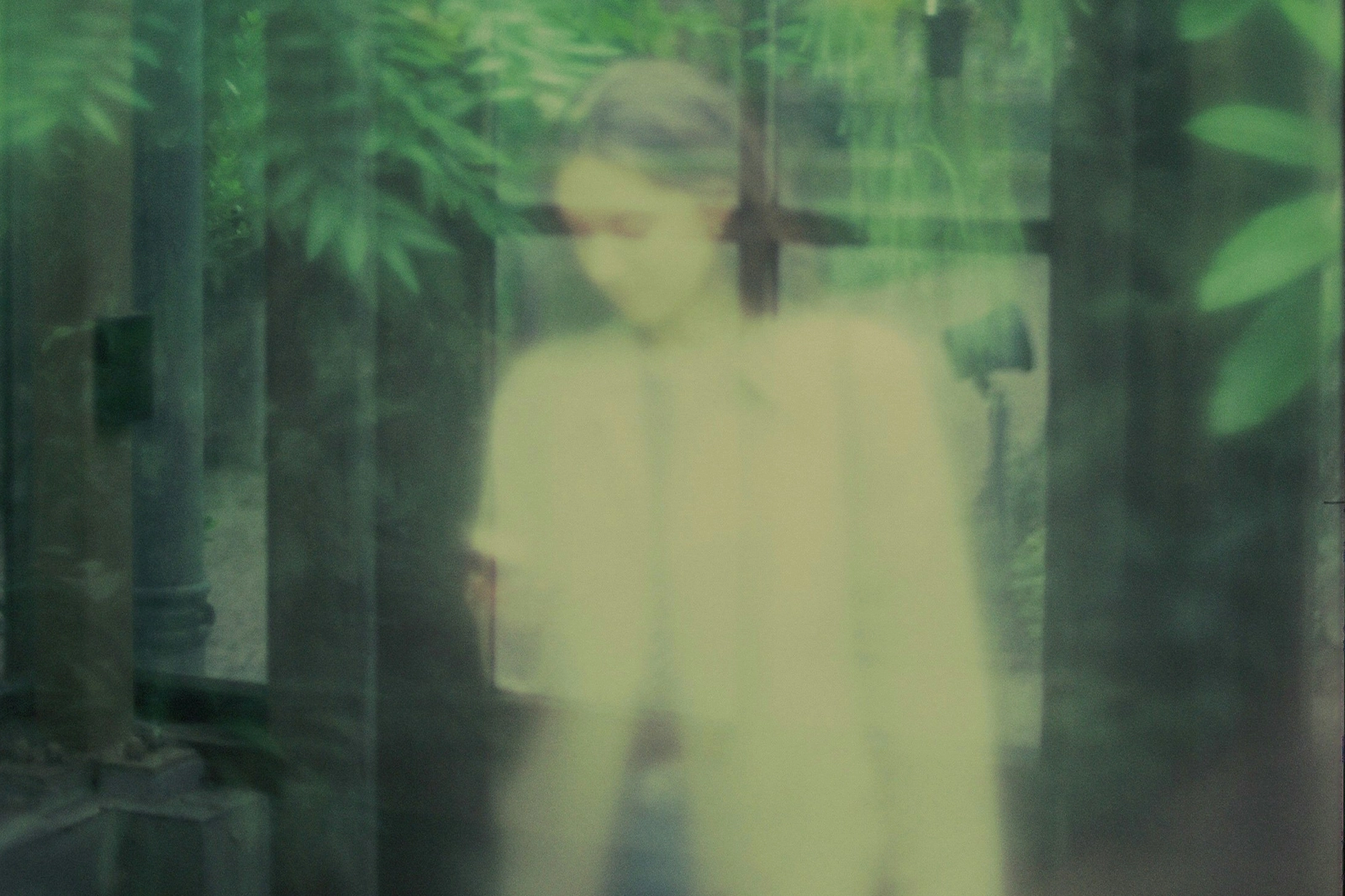
Most images today are designed to be seen quickly and forgotten just as fast. They appear, register, and disappear within seconds, replaced by the next. The pace is constant, and the expectation is movement.
In that environment, memory becomes compressed.
What once required time to process is now reduced to a glance. What once lingered now passes without weight. The result is not just visual saturation, but a quiet erosion of retention.
How does art function as memory in a fast-moving culture?
Art slows perception, holds attention, and preserves moments that would otherwise be lost in the speed of digital consumption.
Art operates differently. It asks for stillness. It resists being fully understood in a single moment. Even when encountered briefly, it leaves something behind—a trace, a feeling, a fragment that returns later.
That return is what connects art to memory.
Unlike digital images that cycle endlessly, a physical work holds its position. It remains in place, available for repeated viewing. Over time, that repetition builds familiarity, and familiarity builds association. The workbecomes linked to specific moments—times of day, seasons, conversations, states of mind.
In this way, art does not just depict memory. It accumulates it.
There is also a difference in how memory is formed through physical versus digital experience. Digital images are often consumed in isolation, detached from environment. Art, by contrast, exists within a space. It interacts with light, with architecture, with the movement of daily life.
A photograph on a wall is not just seen, it is lived with.
That distinction matters.
Why do physical artworks create stronger memory associations than digital images?
Because they exist within lived environments, allowing repeated exposure and emotional association over time rather than momentary interaction.
In Los Angeles, where light shifts constantly and the landscape carries layers of history, this relationship between art and memory becomes even more pronounced. The same piece can feel different in the morning than it does inthe late afternoon. Shadows move. Colors shift. The work evolves subtly withits surroundings.
These changes are not dramatic, but they are cumulative.
They reinforce presence.
Art also introduces a kind of resistance to speed. It does not update. It does not refresh. It does not compete for attention in the same way digital content does. Instead, it waits. That stillness allows the viewer to return on their own terms, rather than being pulled forward by an algorithm.
This creates a different kind of engagement, one that is voluntary ratherthan reactive.
What makes art memorable over time?
Consistency of presence, emotional resonance, and the ability to integrate into the rhythms of daily life.
Over time, the work becomes part of the environment in a way that is difficult to replicate digitally. It is no longer separate from experience; it is embedded within it. The memory is not just of the image itself, but of everything that has occurred around it.
A room, a moment, a period of life, all of it becomes linked to the work.
This is why art often feels more significant the longer it is lived with. It gathers context. It absorbs time. It becomes a reference point, not just visually, but emotionally.
In a world where most content is designed to be replaced, that accumulation is rare.
Art, in this sense, does not compete with speed. It offers an alternative to it. It creates space for attention to settle rather than fragment, for moments to hold rather than pass, and for memory to build rather than dissolve.
That is where its value extends beyond aesthetics.
It becomes something closer to presence.
Part of an ongoing journal exploring memory, time, and how art shapes theway we experience and retain the world around us.