.svg)
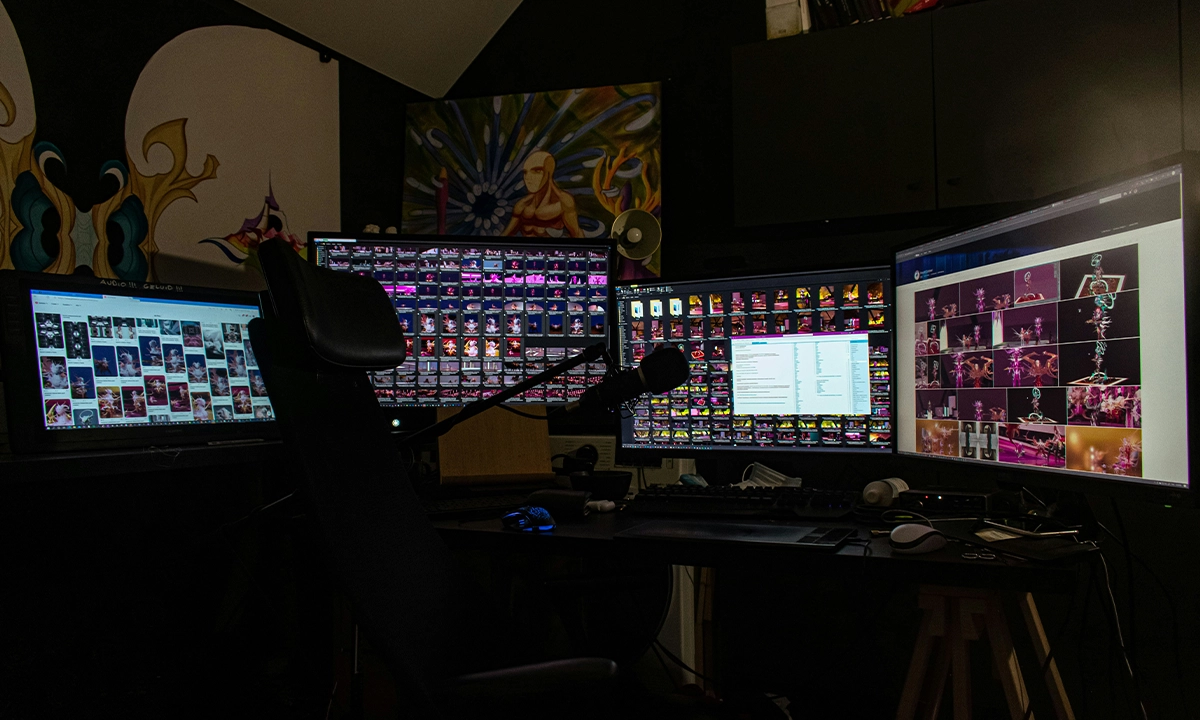
Digital hoarding doesn’t announce itself. There are no overflowing closets or stacks of paper demanding attention. Instead, it lives quietly on hard drives, in cloud folders, and behind search bars we rarely use. Thousands of files, screenshots, drafts, references, and half-started projects sit untouched, waiting for a future moment that almost never arrives. Because it’s invisible, digital hoarding rarely feels like a problem. Storage is cheap, space feels infinite, and saving something costs nothing—so accumulation becomes the default.
What is digital hoarding?
Digital hoarding is the accumulation of files, documents, images, and projects kept without clear intention or active use, often driven by deferred decisions rather than necessity.
The familiar reasons for digital hoarding are easy to recognize. We save files because we think we might need them later, because starting over feels wasteful, or because unfinished projects still carry a sense of potential.There is often a quiet fear attached to deletion—the sense that removing a file is somehow permanent, even when we haven’t opened it in years. These reasons aren’t irrational. They’re human. But they’re only part of the story.
What has changed—and what has accelerated digital hoarding—is not just how much we can save, but why we feel compelled to keep saving. One of the less discussed drivers is identity preservation. Files often act as proof of who we were or who we imagined we might become. Old drafts, abandoned ideas, and incomplete projects don’t just represent work; they represent versions of ourselves that never fully materialized. Letting go of them can feel like closing a door, so we keep them—not out of intention, but out of hesitation.
Another powerful driver is deferred decision-making. Saving a file is easier than choosing a direction. Archiving becomes a substitute for commitment, a way of postponing clarity without confronting uncertainty.Instead of deciding what matters now, we push that decision into the future, where it quietly multiplies. The folders grow, the intention fades, and the weight accumulates without resolution.
Why do people hoard digital files even when they don’t use them?
Because saving postpones decision-making, preserves identity, and creates theillusion of progress without requiring resolution.
Digital hoarding also thrives on the illusion of productivity.Downloading references, saving articles, bookmarking ideas—all of it feels like movement. But accumulation is not the same as action. Collecting inputs without producing outcomes creates a sense of momentum that rarely translates into completion. Over time, this behavior flattens priority. When everything is saved, nothing stands out. When all possibilities remain open, direction becomes harder to see.
This is where digital hoarding begins to affect creativity in more tangible ways. Creative work depends on clarity. Too many files dilute focus, endless reference material competes for attention, and old drafts linger as reminders of paths not taken. The mental weight isn’t dramatic, but it is persistent. Digital clutter creates open loops—unfinished intentions that sit quietly in the background, generating low-grade anxiety even when we’re not actively thinking about them.
How does digital clutter affect creativity?
Digital clutter increases cognitive load, delays decision-making, and makes it harder to focus on finishing work rather than endlessly collecting more inputs.
What makes digital hoarding particularly deceptive is that it carries emotional weight without physical presence. There’s no visible mess demanding cleanup, no external pressure to resolve it. But the psychological drag is real. Each saved file represents something unfinished, something unresolved, something postponed. Over time, that accumulation can make starting new work feel heavier than it should.
There is, however, an important distinction to make. Not all saving is hoarding. Archiving with intention—preserving work you actively value, reference, or plan to revisit—is fundamentally different from unconscious accumulation. The difference isn’t volume; it’s authorship. Intentional archiving reflects choice. Hoarding reflects avoidance.
Letting go doesn’t erase the past. It creates room for the present. It reduces noise, sharpens focus, and allows unfinished work to either be completed or released rather than endlessly deferred. In that sense, deleting files isn’t about minimalism or control. It’s about alignment—choosing what deserves attention now instead of carrying everything forward indefinitely.
Digital hoarding ultimately mirrors how we relate to time and possibility. It reflects a culture that encourages accumulation without resolution and potential without commitment. But creative clarity rarely comes from having more. It comes from choosing less. Letting go of digital clutter isn’t an act of erasure; it’s an act of intention, a way of deciding that presence matters more than possibility and that clarity often begins where accumulation ends.
Note: Part of an ongoing journal exploring authorship, process, and how modern behaviors shape creativity and meaning.