.svg)
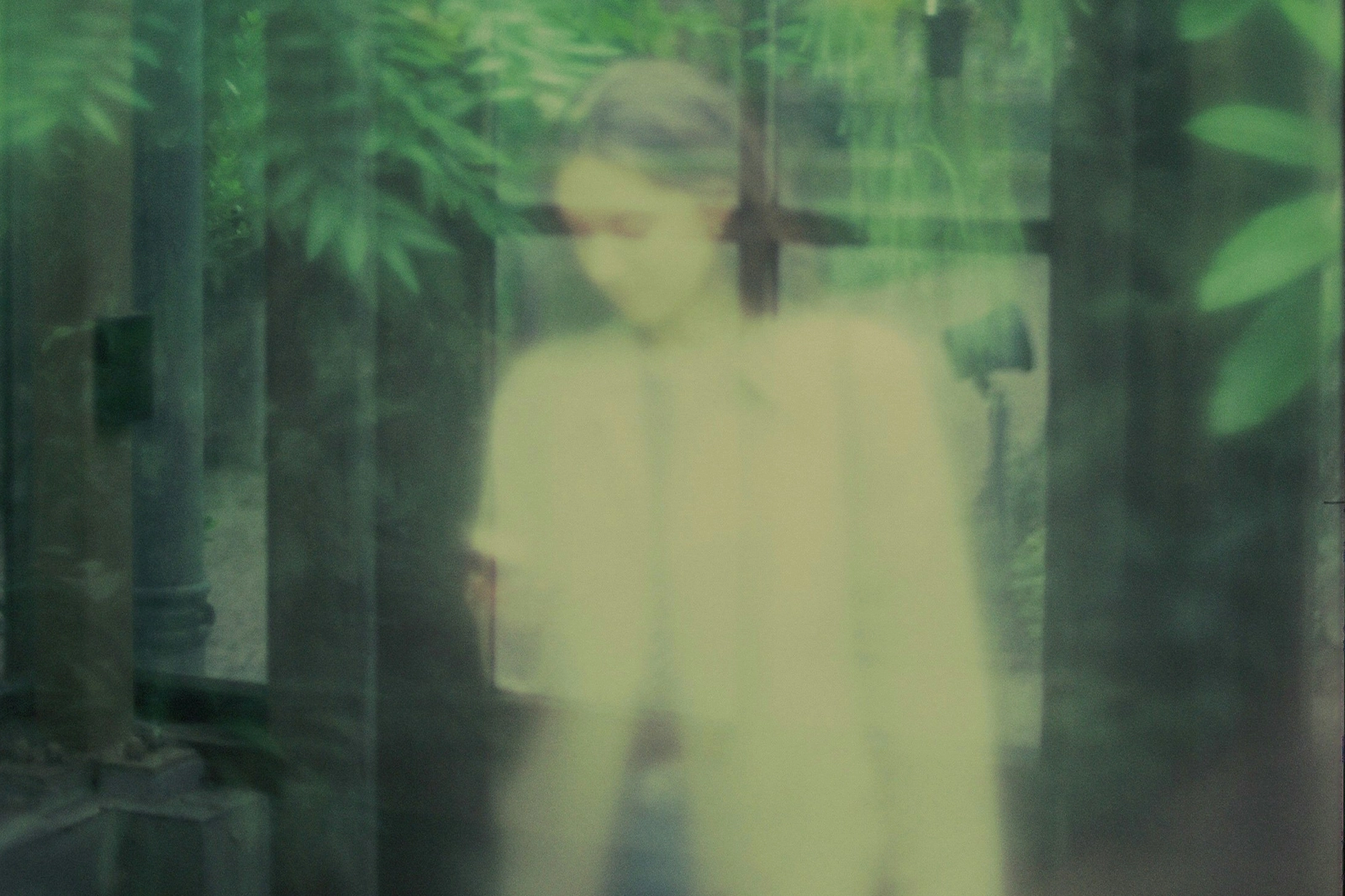
A photograph doesn’t end when the shutter clicks. That moment is only the beginning. What follows—the choices made in the darkroom, the materials selected, the way an image is translated from negative to print—quietly shape show the work exists in the world.
In digital culture, images are often treated as finished the moment they appear. Clean, resolved, ready to be consumed. But physical photographs move through stages. They accumulate decisions. They absorb time.
That journey matters.
Why does the physical process of printing matter in photography?
Because printing introduces material choices, irreversible decisions, and tactile presence that fundamentally shape how a photograph is experienced and valued.
In the darkroom, nothing is neutral. Paper responds differently to light. Chemistry shifts tone. Exposure and contrast are not sliders to be endlessly adjusted, but commitments that must be tested, evaluated, and accepted. Each print becomes a negotiation between intention and material reality.
That negotiation leaves a trace.
You see it in subtle tonal shifts, in density, in the way highlights rolloff rather than clip. You feel it in the surface of the paper, in the way light reflects—or doesn’t—when the print is on the wall. These qualities are not decorative. They are structural.
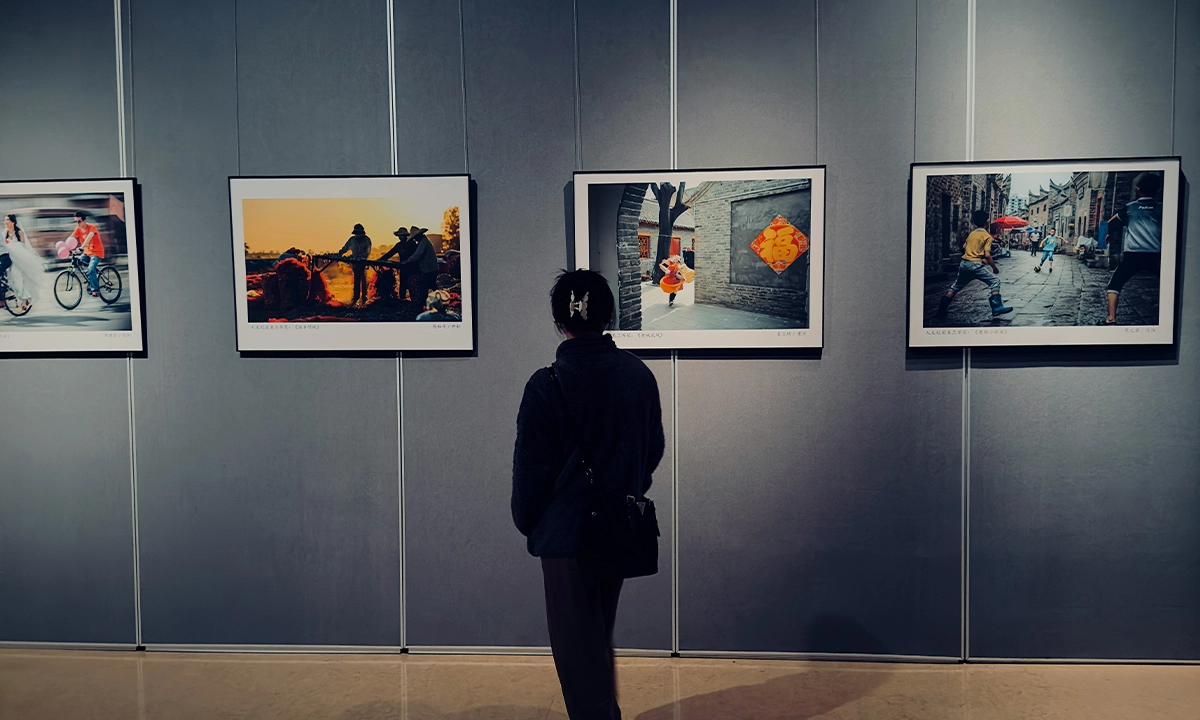
When a photograph becomes an object, the relationship between viewer and image changes. Screens ask for speed. Prints ask for proximity. You don’t scroll past a photograph on a wall. You return to it. You encounter it at different times of day, in different light, in different moods.
Over time, the image deepens.
This is one of the most overlooked differences between digital images and physical photographs. Screens flatten experience. Prints hold space.

How does a physical photograph change the viewing experience?
Physical photographs slow the viewer down, invite repeated engagement, and create a relationship shaped by light, space, and time rather than immediacy.
Material choice plays a quiet but significant role here. The weight of paper. The quality of ink. The way a surface absorbs or reflects light. These decisions influence how an image lives in a room—not just visually, but emotionally.
A photograph printed with care doesn’t demand attention. It earns it gradually. It becomes part of the environment rather than a competing signal.
This is why process-driven prints often feel calmer, more grounded, and more enduring than images optimized for screens.
The journey from darkroom to wall also reinforces authorship. Each step narrows possibility. Each decision removes alternatives. By the time a photograph is framed and hung, it has passed through layers of intention that can’t be undone or automated.
That lineage matters, especially in a culture saturated with images that have no physical origin.
Collectors sense this intuitively. The difference between an image and an object is not subtle once you’ve lived with both. One passes through you. The other stays.
Why do collectors value physical photographic prints?
Because prints carry material presence, traceable process, and a sustained relationship to space that digital images cannot provide.
None of this suggests that digital images lack value. But physical photographs operate differently. They are not meant to be consumed quickly.They are meant to be lived with.
In a fast-moving image economy, the physical photograph offers a counterpoint—a reminder that some things unfold slowly, deepen over time, and reward attention.
That’s what the darkroom-to-wall journey preserves. Not nostalgia. Presence.
Part of an ongoing journal exploring authorship, process, and the role of human-made art in an increasingly automated visual world.