.svg)
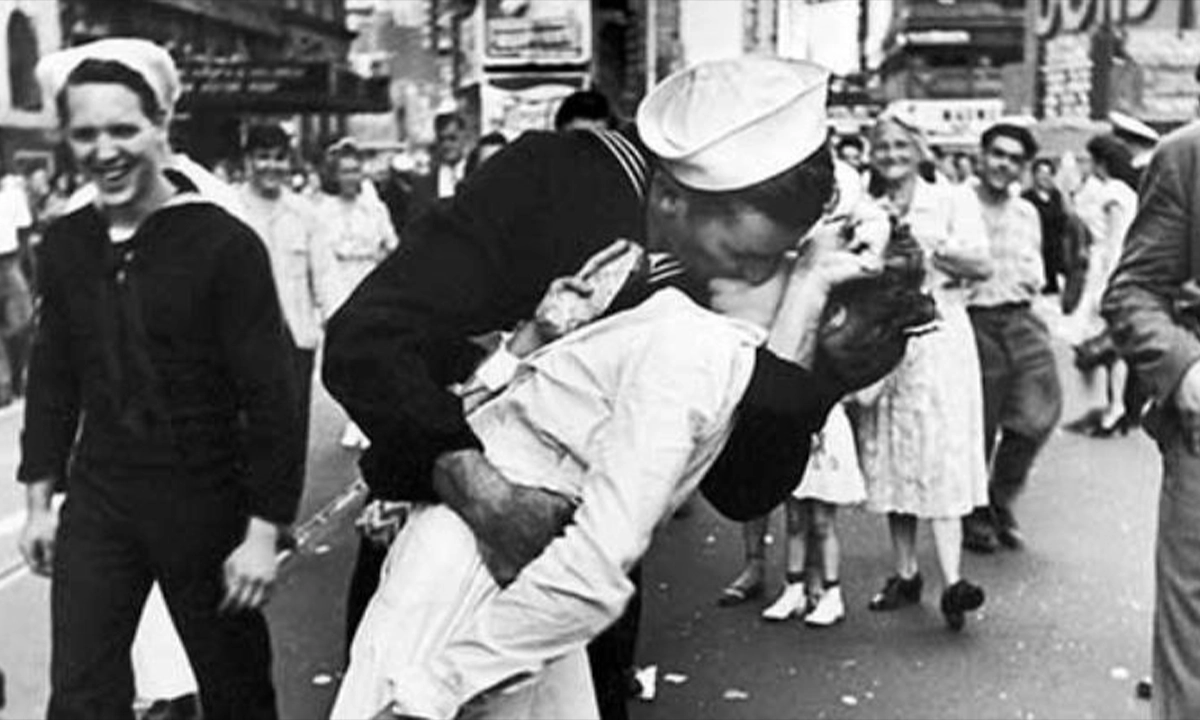
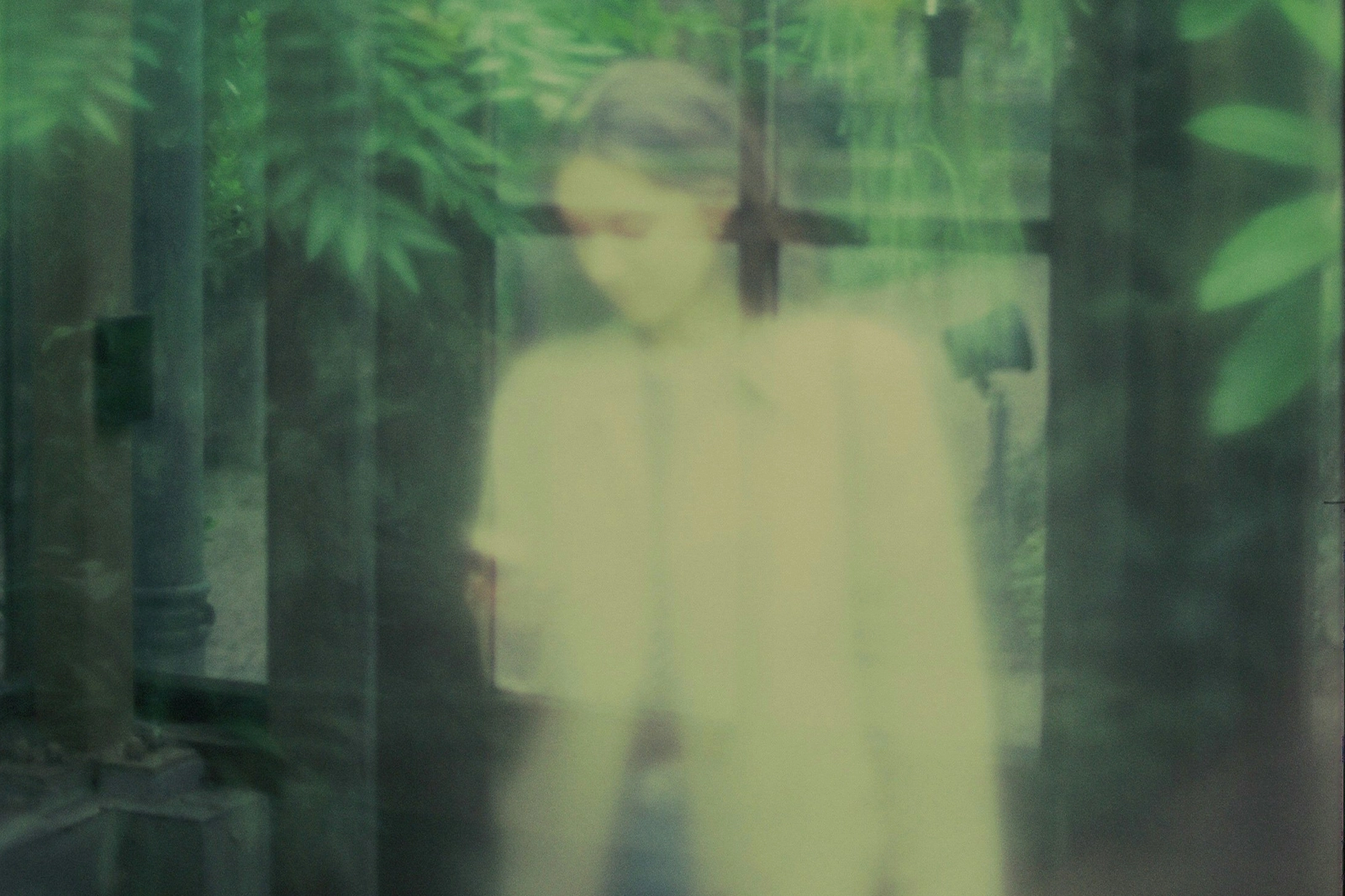
An image is captured in a moment, but it is not confined to it. Once it exists, it begins to move through time in a different way—revisited, reconsidered, and reinterpreted.
The longer it is seen, the less it belongs to a single moment.
How does time change the way we see an image?
Time introduces distance, allowing perception to shift as memory, context, and personal experience evolve.
The first encounter with an image is often immediate. Something registers quickly (composition, tone, subject) and creates a response. That response may be strong, but it is rarely complete. It reflects the conditions of that moment: attention, environment, and state of mind.
As those conditions change, so does the experience of the image.
Returning to the same work later often reveals something different. Details that were overlooked become more visible. Elements that once felt secondary may begin to hold more weight. In some cases, the initial reaction fades, replaced by a quieter but more sustained engagement.
This shift is not a flaw in perception. It is a sign of depth.
Why do some images feel different over time?
Because repeated exposure and changing context allow new details, associations, and interpretations to emerge.
Memory also plays a role in this process. Over time, an image becomes linked to specific moments—where it was seen, how it was experienced, what was happening around it. These associations build gradually, layering additional meaning onto the original work.
The image becomes more than what it shows.
There is also a distinction between images that resolve quickly and those that remain open. Work that explains itself fully in the first viewing often has less to offer later. Images that hold something back—an ambiguity, a tension, or an unresolved element, tend to sustain attention over longer periods.
They allow for return.
Do all images improve with time?
No. Images that rely solely on immediate impact may lose strength over time, while those with depth and openness tend to grow in significance.
In photography, time is present in multiple ways. It exists in the moment of capture, but also in how the image is revisited. A photograph taken years ago may carry a different tone when viewed later, not because the image has changed, but because the viewer has.
This shift can be subtle or significant.
In a place like Los Angeles, where light and atmosphere change constantly, this relationship between time and perception becomes more pronounced. The same image can feel different depending on when it is viewed—morning, afternoon, or evening. These variations reinforce the idea that an image is not fixed in experience, even if it is fixed in form.
Time introduces movement into something that appears still.
How does context influence the way we interpret images?
Context shapes perception by influencing attention, emotion, and the associations we bring to what we see.
There is also a broader cultural dimension. Images are not experienced in isolation, they exist within a shifting visual landscape. What feels contemporary in one moment may feel distant in another. Over time, the context surrounding an image changes, and that change influences how it is understood.
This is part of what gives certain work longevity.
As perception evolves, the relationship between the viewer and the image becomes less immediate and more reflective. The need to interpret quickly fades, replaced by a slower recognition. The image is no longer something to react to, it becomes something to return to.
That return is shaped by time.
Over time, the images that remain are the ones that continue to offer something beyond their initial impression. They do not rely on the moment in which they were first seen. They carry forward, adapting to new contexts without losing their structure.
An image may be created in a moment, but it is experienced across many.
Context
Part of an ongoing journal exploring time, perception, and how images evolve through repeated experience.