.svg)

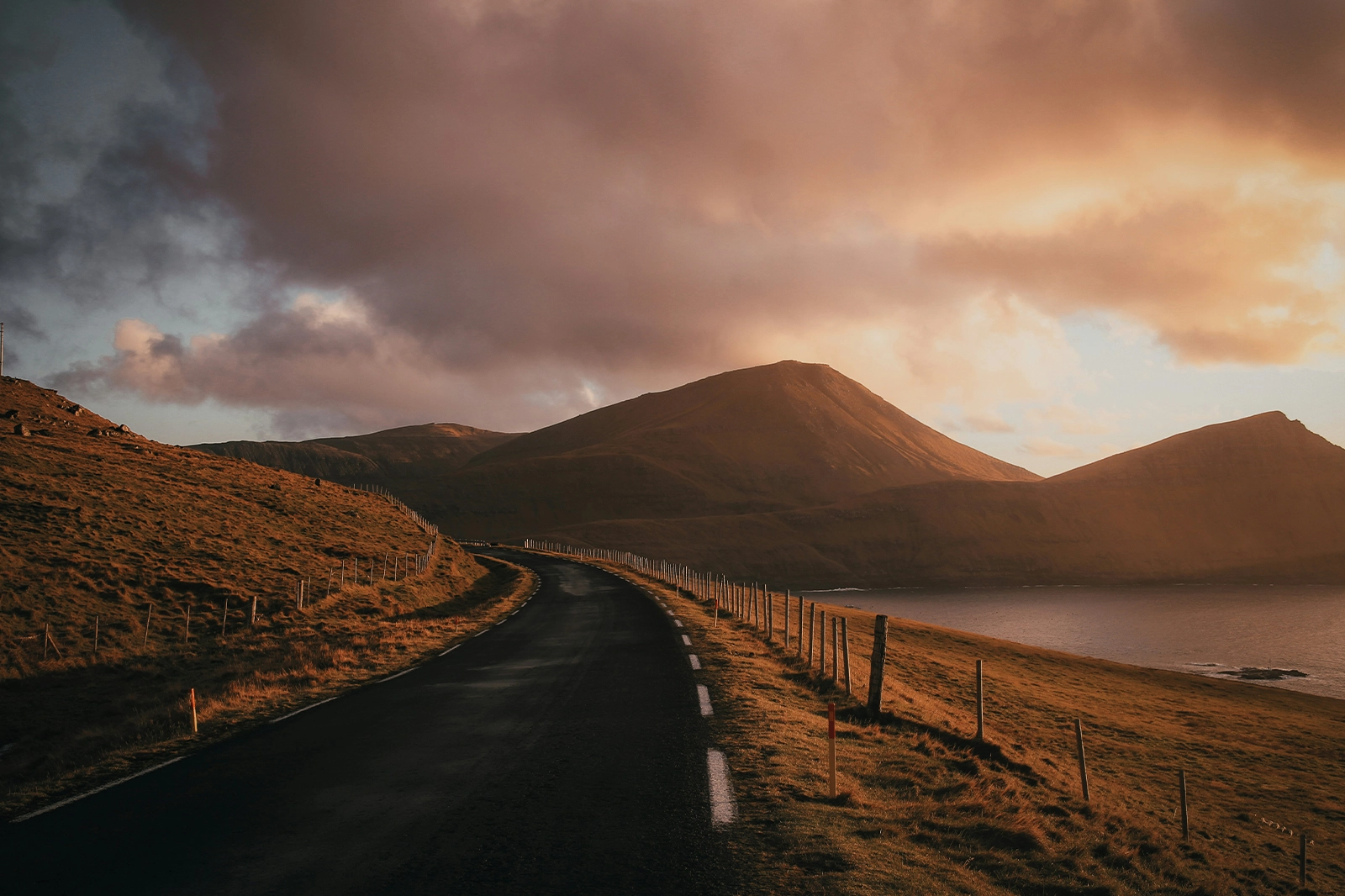
Atmosphere is not something that can be pointed to directly. It does not exist in a single object or element within an image. Instead, it emerges from the relationship between everything in the frame—light, shadow, distance, tone, and timing.
It is what the image feels like.
What is atmosphere in photography?
Atmosphere is the overall mood or feeling created by the interaction of light, tone, space, and environment within an image.
Two photographs of the same subject can feel entirely different depending on atmosphere. One may feel still, distant, and quiet, while another feels immediate and tense. The subject remains the same, but the conditions under which it is captured (and how those conditions are interpreted) change the experience completely.
This is where photography moves beyond documentation.
Light is often the most visible contributor to atmosphere. Soft, diffused light can create calm and openness, while directional or low light can introduce contrast and depth. These variations influence not only what is seen, but how it is perceived emotionally.
Light sets the tone.
Space also plays a role. The distance between elements, the openness or compression of the frame, and the presence of negative space all contribute to how an image feels. A wide, open composition can create a sense of isolation or calm, while a tighter frame can feel more immediate or contained.
These spatial decisions shape perception.
How does space influence atmosphere in an image?
Space affects how the viewer experiences distance, scale, and isolation, contributing to the overall mood of the photograph.
Tone and color (or the absence of color) further refine atmosphere. Subtle tonal shifts can create softness or tension, while stronger contrasts can define structure and draw attention. In black and white photography, tone becomes even more critical, carrying the weight of the image without relying on color for variation.
Tone defines depth.
Timing is equally important. Atmosphere often depends on waiting for the right moment, when light, environment, and subject align. This alignment is rarely controlled entirely. It requires observation, patience, and a willingness to respond to conditions as they change.
This is where photography becomes responsive rather than constructed.
Why does timing matter in creating atmosphere?
Because atmosphere often depends on fleeting conditions (light, weather, and movement) that cannot be replicated once they pass.
In Los Angeles, atmosphere is shaped by a combination of light and environment that shifts throughout the day. Coastal haze, late-afternoon warmth, and the way shadows move across the landscape all contribute to a sense of place that is difficult to replicate elsewhere. These conditions are subtle, but they define how images feel over time.
They create continuity.
Atmosphere also affects how long an image holds attention. Work that carries a strong sense of mood tends to linger. It invites the viewer to stay, not because there is more to see, but because there is more to feel. The image does not need to explain itself fully.
It creates space.
What makes atmospheric photography compelling?
The ability to evoke a clear mood or feeling through the interaction of light, tone, and environment, without relying on overt subject matter.
There is a difference between images that show something and images that create an experience. Atmospheric work tends to fall into the latter. It is less about the subject itself and more about how the subject exists within a set of conditions.
That distinction is what gives the image depth.
Over time, the eye becomes more sensitive to atmosphere. What once felt subtle begins to feel intentional. The viewer starts to recognize how light, space, and tone are working together to shape the image.
This awareness changes how work is seen.
Atmosphere is not an added layer. It is embedded in the structure of the photograph. It is what connects the visual elements to an emotional response, allowing the image to hold attention without relying on explanation.
It is what turns an image into a place you can feel.
Context
Part of an ongoing journal exploring light, space, and the elements that shape how images are experienced.