.svg)

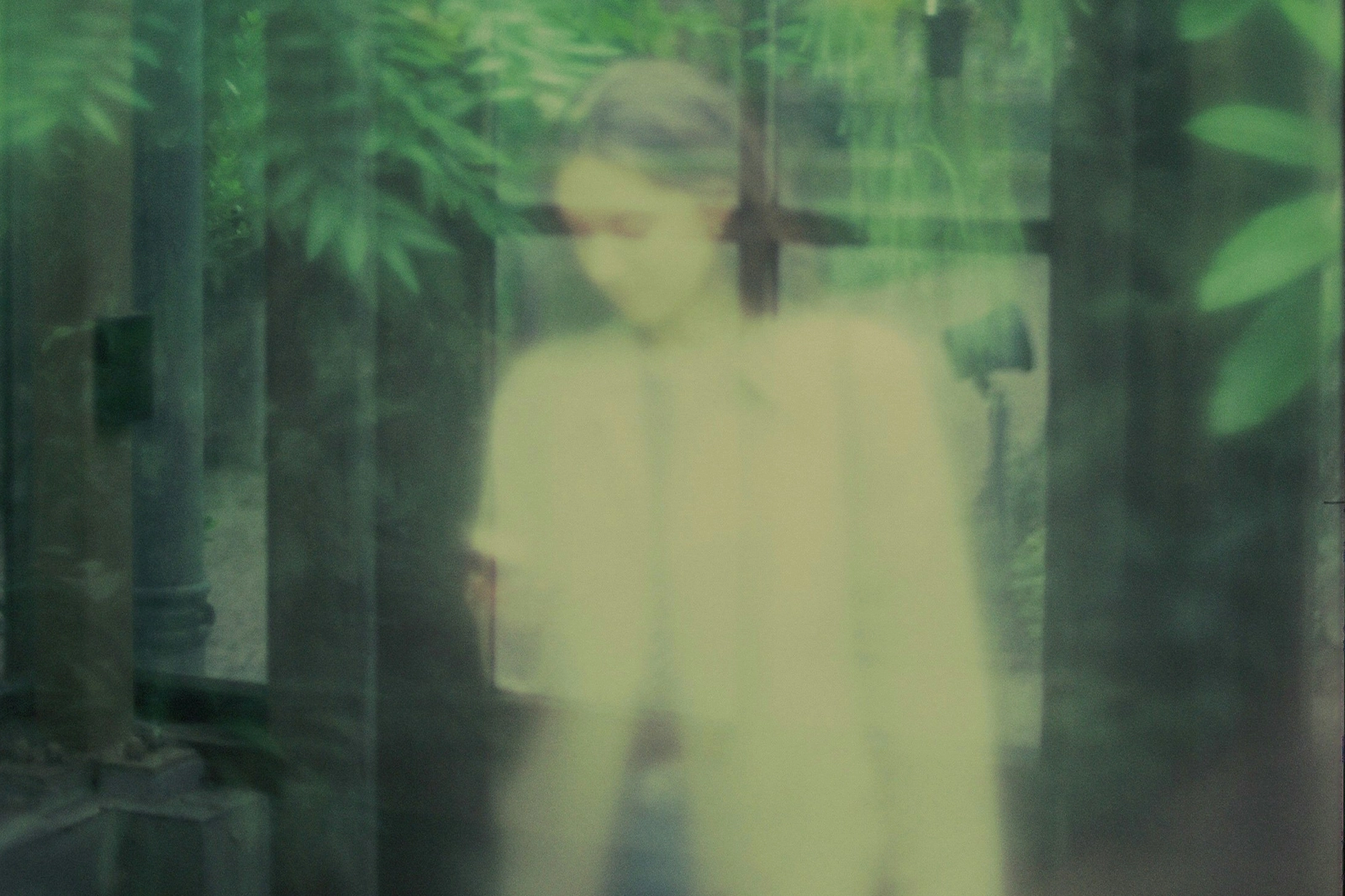
Not all images are meant to be loud. Some are built to hold attention ina different way—without urgency, without excess, without the need to immediately explain themselves. They do not compete.
What makes an image feel quiet?
A restrained use of composition, tone, and subject that allows the image to hold attention without relying on strong visual signals.
Quiet images often contain fewer elements. The frame is simplified, the composition reduced to what is essential. This reduction does not remove meaning; it concentrates it. With less to process, the viewer’s attention becomes more focused.
The image becomes clearer.
Tone plays a significant role in this clarity. Softer contrasts, subtle transitions, and controlled shifts in light create an environment that feels stable rather than dynamic. The absence of dramatic variation allows the eye to settle rather than move quickly from one point to another.
This stillness shapes the experience.
Why do quieter images often hold attention longer?
Because they reduce visual noise, allowing the viewer to engage more slowly and more deliberately with the image.
There is also an element of restraint in how the subject is presented. Quiet images do not rely on spectacle. They do not exaggerate or overstate. Instead, they allow the subject to exist within the frame without forcing interpretation.
This approach creates space.
That space is what invites the viewer in. Without immediate resolution, the image becomes something to return to rather than something to move past. The viewer is not directed toward a single reading, but allowed to experience the work on their own terms.
This openness extends the life of the image.
Do quiet images lack impact?
No. Their impact is often more subtle, building over time rather than relying on immediate attention.
In photography, quiet often comes from alignment—light, timing, and composition working together without conflict. There is a sense that nothing needs to be added or removed. The image holds as it is.
This sense of resolution is difficult to achieve.
In Los Angeles, quiet can be found in moments that might otherwise be overlooked. Early morning light, empty streets, coastal haze, conditions that do not announce themselves but create a specific tone. Capturing these moment srequires attention to what is not immediately obvious.
It requires slowing down.
How do photographers create quiet images?
By working with restraint—limiting elements, controlling tone, and allowing light and space to define the image.
Quiet images also change how we engage with visual culture more broadly. In an environment where attention is constantly being pulled in multiple directions, work that does not demand immediate response can feel different. It offers a pause.
That pause becomes part of the experience.
Over time, these images tend to stay. Not because they stood out the most initially, but because they remain accessible without effort. They do not exhaust themselves. They continue to offer something without needing to change.
They hold without pressure.
This is where quiet becomes significant. It is not the absence of impact, but a different form of it, one that values presence over immediacy, and attention over reaction.
In a world that moves quickly, that distinction matters.
Context
Part of an ongoing journal exploring restraint, tone, and how images create presence through subtlety.