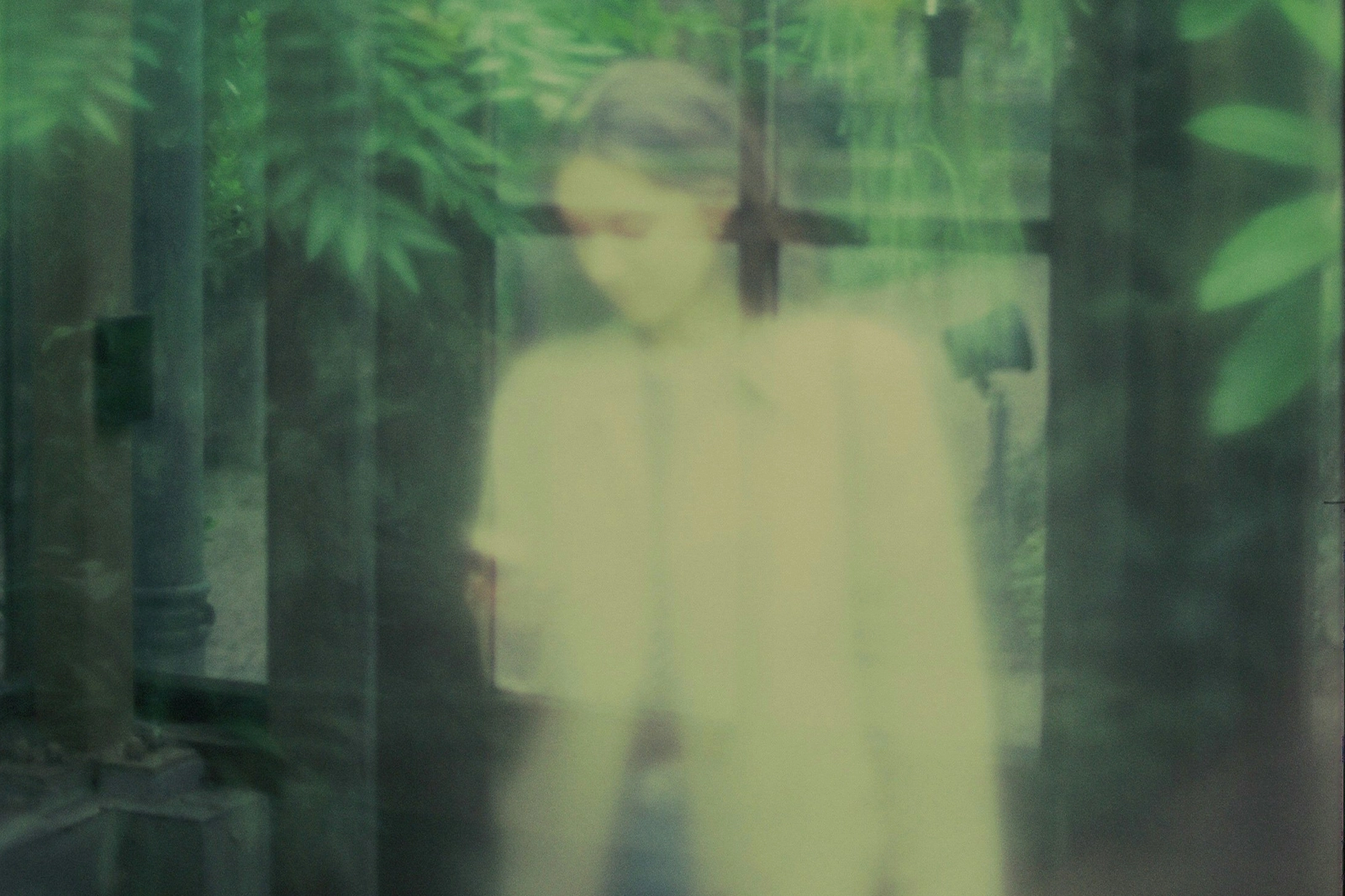
.svg)
At first glance, many AI-generated images look finished. Polished. Even impressive. They reference familiar visual languages, echo established styles, and often feel designed to be instantly appealing. In a fast-scrolling environment, that surface-level success is usually enough.
But original art doesn’t reveal itself all at once. It asks for time. It asks for attention. And it carries signals that go beyond how an image looks on a screen.
The difference between original art and generative images isn’t about quality in the traditional sense. It’s about origin.
What is the difference between original art and generative images?
Original art begins with human intention and lived experience, while generative images are produced through statistical patterning based on existing data. Oneis authored; the other is assembled.
Original art starts somewhere specific. A place, a memory, a moment of curiosity or uncertainty. Even when the final result feels minimal or abstract, there is a chain of decisions behind it—choices shaped by limitation, failure, revision, and persistence. That lineage matters, even when it’s invisible.
Generative images, by contrast, have no starting point of their own. Theydon’t remember why something was made. They don’t wrestle with direction or doubt. They respond. They don’t originate. What looks like intention is actually prediction.
This distinction becomes clearer when you look beyond aesthetics and ask different questions.
One of the most reliable ways to tell original art from generative imagery is to consider process. Human-made work passes through hands, tools, environments, and time. Whether it’s film exposed to light, ink pulled across paper, or paint layered and scraped back, physical process introduces risk. Not every step is reversible. Decisions matter because they cost something.
AI images don’t risk anything. They regenerate. They correct endlessly. They never commit.
That commitment—or lack of it—changes how work feels when you live with it. Original art tends to unfold slowly. It doesn’t exhaust itself on first viewing. Generative images often peak immediately, delivering impact without depth.
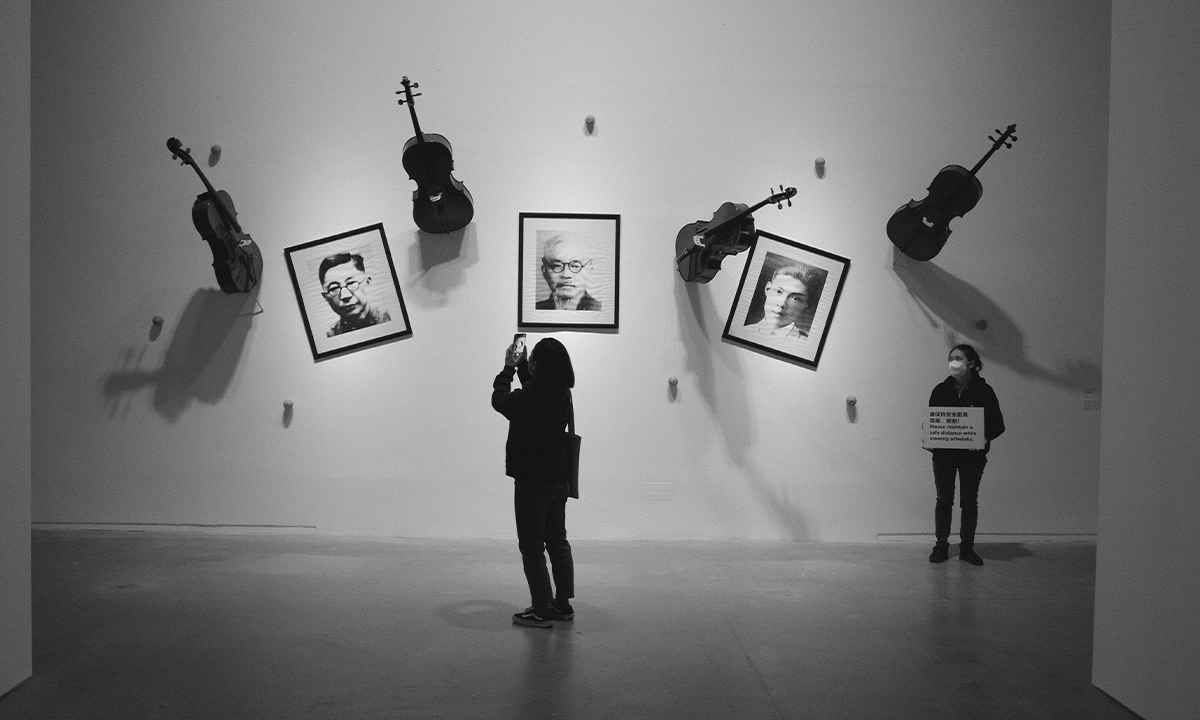
Why does process help distinguish original art from AI imagery?
Because process embeds time, limitation, and irreversible decisions into thework—elements that generative systems do not experience or retain.
Another signal is specificity. Original art often contains details that feel personal rather than optimal. Cropping that feels intentional but imperfect. Tones that drift slightly off balance. Choices that don’t aim for universal appeal. These moments aren’t flaws; they’re evidence of authorship.
Generative images, on the other hand, are optimized to please broadly.They often feel strangely familiar, as if you’ve seen them before—even when you haven’t. That familiarity comes from synthesis, not memory.
Original art remembers where it’s been. Generative imagery only knows what it’s seen.
Authorship also shows up in how work is contextualized. Original art usually exists within a larger body of thought: an ongoing practice, a set of values, a way of seeing the world. There is continuity, even as the work evolves. You can trace a line through it.
Generative images are isolated by nature. Each output stands alone, disconnected from a lived practice. There is no before, no after—only variations.
This matters more than most people realize, especially for collectors. When you bring original art into your space, you’re not just choosing an image.You’re choosing a point of view. You’re inviting someone else’s way of paying attention into your life.
Why does authorship matter when collecting art?
Authorship provides context, continuity, and meaning, allowing the artwork to exist as part of a human story rather than as a standalone visual.
None of this is about rejecting technology outright. AI tools will continue to evolve, and they will continue to influence creative fields. But influence is not the same as replacement. The presence of generative images has made one thing clearer: originality isn’t about novelty anymore. It’s about responsibility.
Original art carries responsibility—to process, to decision-making, to staying with an idea longer than is comfortable. That responsibility leaves a trace. You may not be able to name it immediately, but you can sense it.
As generative imagery becomes easier to produce, the ability to tell the difference becomes less about spotting technical artifacts and more about recognizing human presence. The work that lasts is rarely the loudest or the fastest. It’s the work that holds up over time because it was made with time.
That’s the difference. And once you see it, it’s hard to unsee.
Note: Part of an ongoing journal exploring authorship, process, and the role of human-made art in an increasingly automated visual world.