.svg)
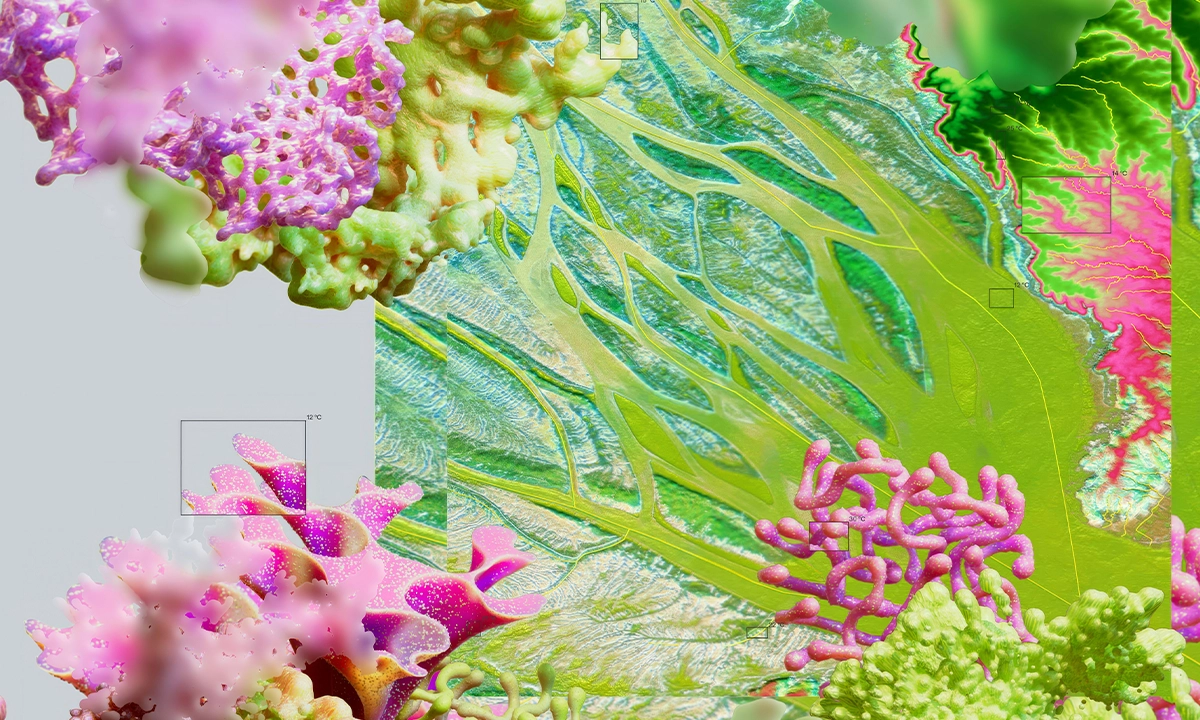
There’s no denying it: AI can now generate images at a speed and volume that would have been unthinkable even a few years ago. Scroll long enough and you’ll see beautifully composed scenes, convincing portraits, and visuals that feel familiar yet oddly untethered from reality. The technology is impressive.The output is constant. And it’s only accelerating.
But something quieter and more interesting is happening beneath the surface. As AI-generated imagery becomes ubiquitous, human-made art isn’t fading into irrelevance. It’s becoming more valuable—not louder, not trendier, but more meaningful. The gap between what machines can produce and what art actually is isn’t closing. It’s widening.
AI is exceptionally good at recognizing patterns, synthesizing existing visual language, and producing endless variations at scale. It can mimic style, remix history, and deliver something instantly. What it cannot do is replace the presence, intention, and lived experience that sit at the core of art. And that distinction matters more now than ever.
What can’t AI replace in art?
AI can’t replace human intention, lived experience, physical process, emotional authorship, or the personal history embedded in how an artwork is made.
Art has always been a record of being human. A real artwork carries evidence of time spent looking, choosing, failing, adjusting, and refining. It holds the residue of decisions made by a person in a specific moment, informed by memory, emotion, limitation, and doubt. AI doesn’t remember. It doesn’t hesitate. It doesn’t care whether something works or not. Artists do. That friction—the push and pull between idea and execution—is where meaning forms.
This is also why process still matters, even when it isn’t immediately visible. Process isn’t romantic fluff; it’s structure. When work is created through physical means—shooting on film, working in a darkroom, pulling ink by hand, layering paint—those processes introduce irreversibility, constraint, and risk. Decisions matter because they can’t always be undone. That human tension shows up in the work in subtle ways. You may not consciously identify it, but you feel it.
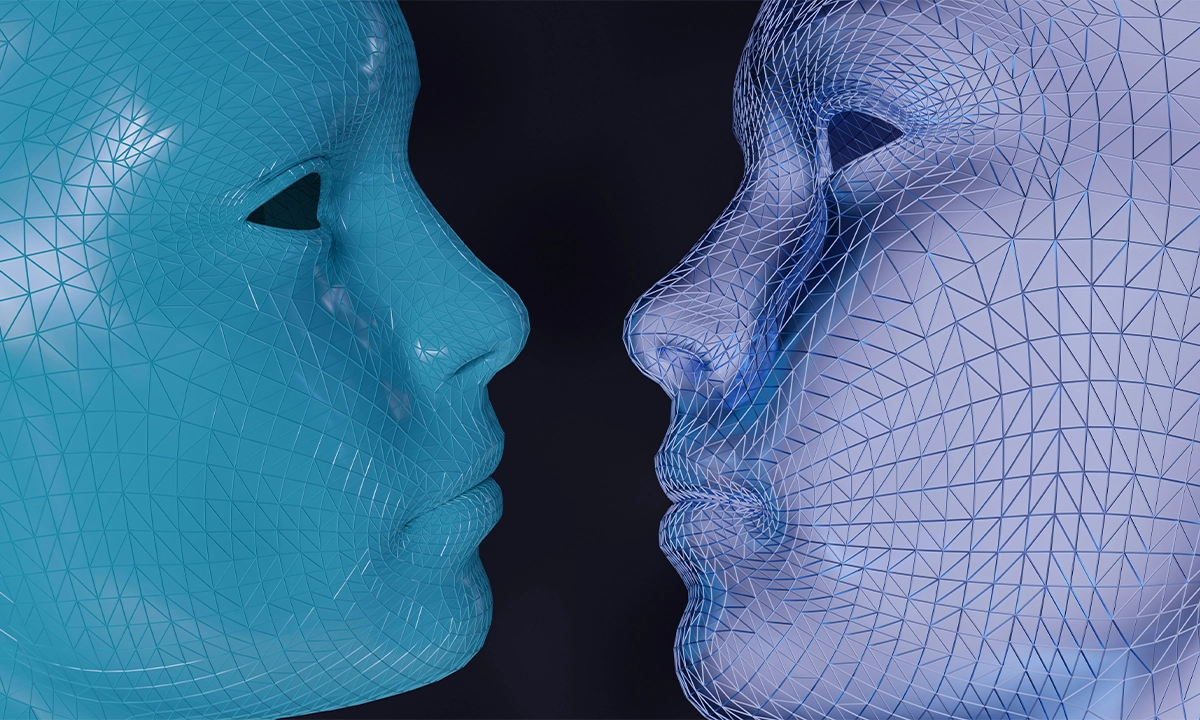
Why does process matter in art?
Process embeds human decision-making, limitation, and time into an artwork, creating depth and emotional resonance that automated generation lacks.
There’s also a fundamental difference between images that are generated and art that is arrived at. AI produces outcomes. Artists commit to journeys. Art requires patience, attention, and a willingness to let the work evolve slowly, sometimes uncomfortably. It demands acceptance of imperfection and the discipline to stay with an idea longer than is convenient. That investment is palpable in the finished piece.
As AI imagery floods feeds, marketplaces, and search results, something unexpected happens: discernment increases. People begin asking better questions. Who made this? Why was it made? What was involved? What does it carry beyond appearance? In a world of infinite images, scarcity is no longer about quantity. It’s about authorship.
This is why human-made art is becoming a quiet signal of value. Not luxury as excess, but luxury as intention. Care, slowness, integrity, and presence stand out precisely because they can’t be automated. They can’t be scaled without losing their meaning.
Why is human-made art becoming more valuable?
Because it offers authenticity, authorship, and emotional depth in contrast to mass-generated imagery.
AI will continue to improve. The images will get cleaner. The outputs will get faster and more convincing. But the more automated imagery becomes, the easier it is to see the difference. Art isn’t about what can be made. It’s about what needed to be made—by someone, for a reason, in a specific moment.That gap isn’t a problem to solve. It’s the point. And for artists working with intention, process, and restraint, it isn’t a threat. It’s the foundation.
Part of an ongoing journal on authorship, process, and human-made art.